New regulations set to take effect in 2026 will significantly reshape fly ash brick production in India. These changes aim to enhance sustainability, improve quality standards, and reduce environmental impact. Chhikara Builders, a trusted Fly Ash Bricks Supplier, is well-positioned to navigate this transformation.
Understanding Fly Ash Bricks
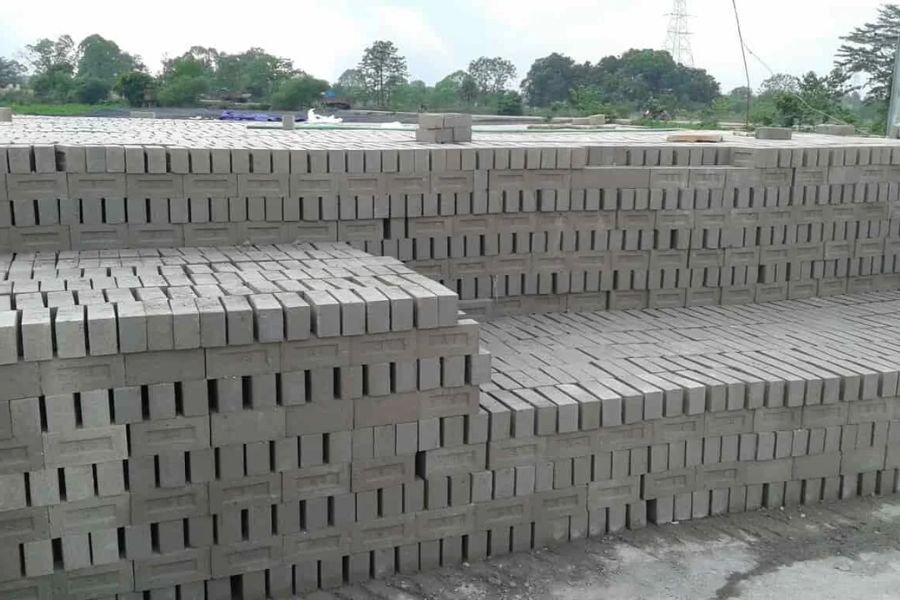
Fly ash bricks utilise fly ash, a byproduct from coal-fired power plants, combined with cement, sand, and water. This process avoids traditional clay extraction and high-temperature firing, resulting in lighter, more energy-efficient bricks. Fly Ash Bricks Manufacturing involves grinding fly ash, mixing it with binders, pressing it into moulds, and curing through steam or air processes, which minimises emissions.
These bricks offer consistent dimensions and lower long-term costs, making them ideal for construction in regions like Gurgaon. Current fly ash brick price trends reflect their economic appeal, often 20-30% less than clay alternatives due to efficient production.
Overview of 2026 Regulations
India's 2026 regulations, driven by the Bureau of Indian Standards (BIS) and pollution control authorities, mandate stricter compliance in Fly Ash Bricks Manufacturing. Key requirements include 100% utilization of fly ash to prevent pond disposal, advanced emission controls, and mandatory quality certifications. These measures address longstanding issues like ash wastage and factory pollution.
Pollution limits will require electrostatic precipitators and water recycling systems. Fly Ash Bricks Supplier operations must adopt these upgrades, shifting production toward cleaner, more efficient models.
Impact on Production Processes
Factories will transition from fuel-intensive kilns to steam-curing and solar-powered systems under the new rules. This reduces carbon emissions by up to 30% and energy consumption by half. Fly Ash Bricks Manufacturing plants will incorporate automated presses and real-time monitoring for consistent output.
Water usage drops significantly with closed-loop systems, preserving resources in water-stressed areas like Haryana. These efficiencies are expected to stabilise or slightly lower the fly ash brick price through scaled operations and reduced fuel costs.
Enhanced Quality Standards
Regulations enforce rigorous testing: compressive strength of 10-15 MPa, water absorption below 12%, and efflorescence limits. Fly Ash Bricks Manufacturing facilities must maintain on-site labs with equipment for load-bearing and durability tests. This ensures bricks withstand seismic activity and harsh weather.
Certified bricks gain market preference, weeding out substandard products. Chhikara Builders, as a reliable Fly Ash Bricks Supplier, prioritises these standards to deliver superior performance.
Economic Implications
Initial compliance costs may challenge smaller producers, but government subsidies and low-interest loans ease the burden. Larger operations benefit from economies of scale, potentially reducing fly ash brick prices by 10-15%. Compared to clay bricks, fly ash options remain cost-competitive amid rising clay scarcity.
Transport savings arise from lighter weight, further enhancing value for builders. Fly Ash Bricks Manufacturing innovations like nano-coatings for water resistance add premium features without inflating prices.
Environmental Benefits
The rules promote full fly ash recycling, diverting millions of tons from landfills annually. This curbs soil erosion from clay mining and prevents river contamination from ash ponds. Fly Ash Bricks Supplier networks contribute to national goals of reducing construction's carbon footprint by 20-25%.
Improved air quality in industrial zones supports urban development in Gurgaon, aligning with India's sustainability targets.
Workforce and Industry Growth
Training programs will upskill workers in modern Fly Ash Bricks Manufacturing techniques, creating jobs in quality control and automation. Regions near thermal plants will see localised hubs, boosting rural economies. Chhikara Builders invests in team development to meet these demands.
Supply Chain Improvements
Stricter sourcing rules ensure traceable fly ash from certified power plants, minimising contamination risks. Bulk procurement stabilises fly ash bricks price, benefiting contractors. Efficient logistics reduce delivery times for Gurgaon projects.
Construction Advantages
Fly ash bricks provide thermal insulation, reducing cooling needs in hot climates. Uniform sizes simplify masonry, cutting labour by 15-20%. Their earthquake resistance suits multi-story buildings.
Potential Challenges
Small-scale units face equipment upgrade hurdles, but phased implementation and technical support mitigate risks. Fly Ash Bricks Supplier partnerships foster knowledge sharing for smooth adoption.
Preparing for Compliance
Builders should audit suppliers now for BIS certification readiness. Chhikara Builders offers guidance on fly ash bricks price and stock tailored to 2026 specs. Early planning ensures seamless transitions.
These regulations position Fly Ash Bricks Manufacturing as a cornerstone of green construction. Stronger supply chains and eco-friendly practices benefit developers, the environment, and end-users alike.